



DESCRIPTION
Refugees don't come to Canada to become homeless, but without timely support, the system creates chronic homelessness. Impakt is adapting Montreal's scattered-site housing model to Toronto to address the most persistent barrier facing Black refugee claimants: housing. Refugee claimants are excluded from federal resettlement assistance, and Toronto's new six-month shelter limit (February 2026) makes transitions urgent. Hotel-based shelter costs $90,000 per person annually (IRCC); scattered-site housing with supports costs less with better outcomes. Impakt operates the Refugee Shelter Hub inside a 400+ resident Homes First shelter, delivering Integrated Newcomer Services (INS) — employment, credential recognition, mental health, and community connection. Wraparound supports are tailored to each participant's goals and barriers. The scattered-site program is the missing housing pathway: Impakt becomes head tenant on private-market units, subletting to participants, reducing discrimination that excludes Black refugees. INS supports continue uninterrupted from shelter into housing.
DETAILS
Affordability Framework
Master-leased units are sublet to participants at deeply affordable rates. Participants pay a portion of their income toward an occupancy fee, with the master-lease fund covering the gap to market rent. Impakt pays the full year’s rent to landlords upfront; landlords return the equivalent of 20% as a donation, reducing the program’s effective per-unit cost by 20%. As participants stabilize, the capital recycles to support new cohorts.
Target Completion Date
N/A
Populations Served
Newcomers
Total Project Cost
$211,000
Total Units
2
Affordable Units
2
Project Funding
Funding Required
$60,000 in year one to seed a sustainable master-lease fund supporting 2 scattered-site units (4–6 Black refugee claimants). Funds remain with Impakt and revolve annually to support successive cohorts. Needed by January 2027.
Funds Raised
Front Door will be one of multiple funders contributing to the master-lease fund.
Use of funds
Funds will be used exclusively for master-lease costs — head-lease rent, damage/vacancy reserve, and landlord-relations costs — for 2 scattered-site units in Toronto housing 4–6 Black refugee claimants transitioning out of Impakt’s Refugee Shelter Hub at Homes First. Funding mechanism: Impakt pays the full year’s rent to landlords upfront, and landlords return 20% as a donation. This structure gives landlords cash-flow certainty and a tax benefit, while reducing the program’s effective per-unit cost by 20% — accelerating the revolving fund. Combined with participant rent contributions and graduations into participant-held leases, the capital recycles to support successive cohorts. Wraparound INS supports continue uninterrupted from shelter into housing and are funded separately. Expected impact: a measurable reduction in shelter stays — replacing accommodation costing $90,000/year per person to the Government, with stable scattered-site housing at a fraction of the cost — while removing the stigma, credit, and cost barriers that exclude Black refugee claimants from Toronto’s rental market.
Human Impact Story
When Hosna arrived in Canada, she had already fled Kenya for political reasons and was carrying the fear and uncertainty of starting over. Soon after arriving, she realized she was pregnant.
She entered the shelter system at one of the most vulnerable moments of her life. The isolation was overwhelming. For days, she stayed in her room and did not even come out for food. She felt alone, afraid, and unsure how to begin again.
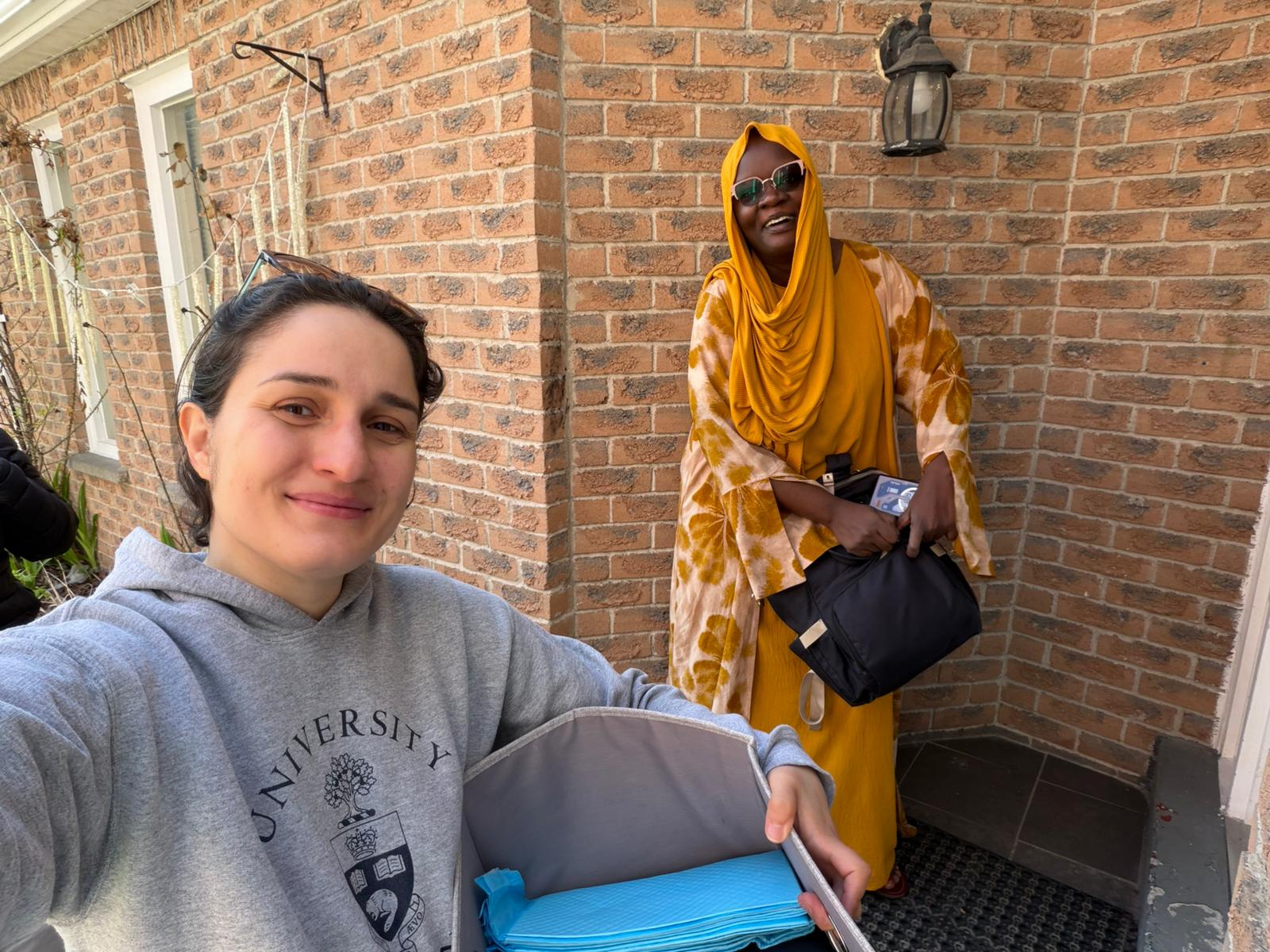
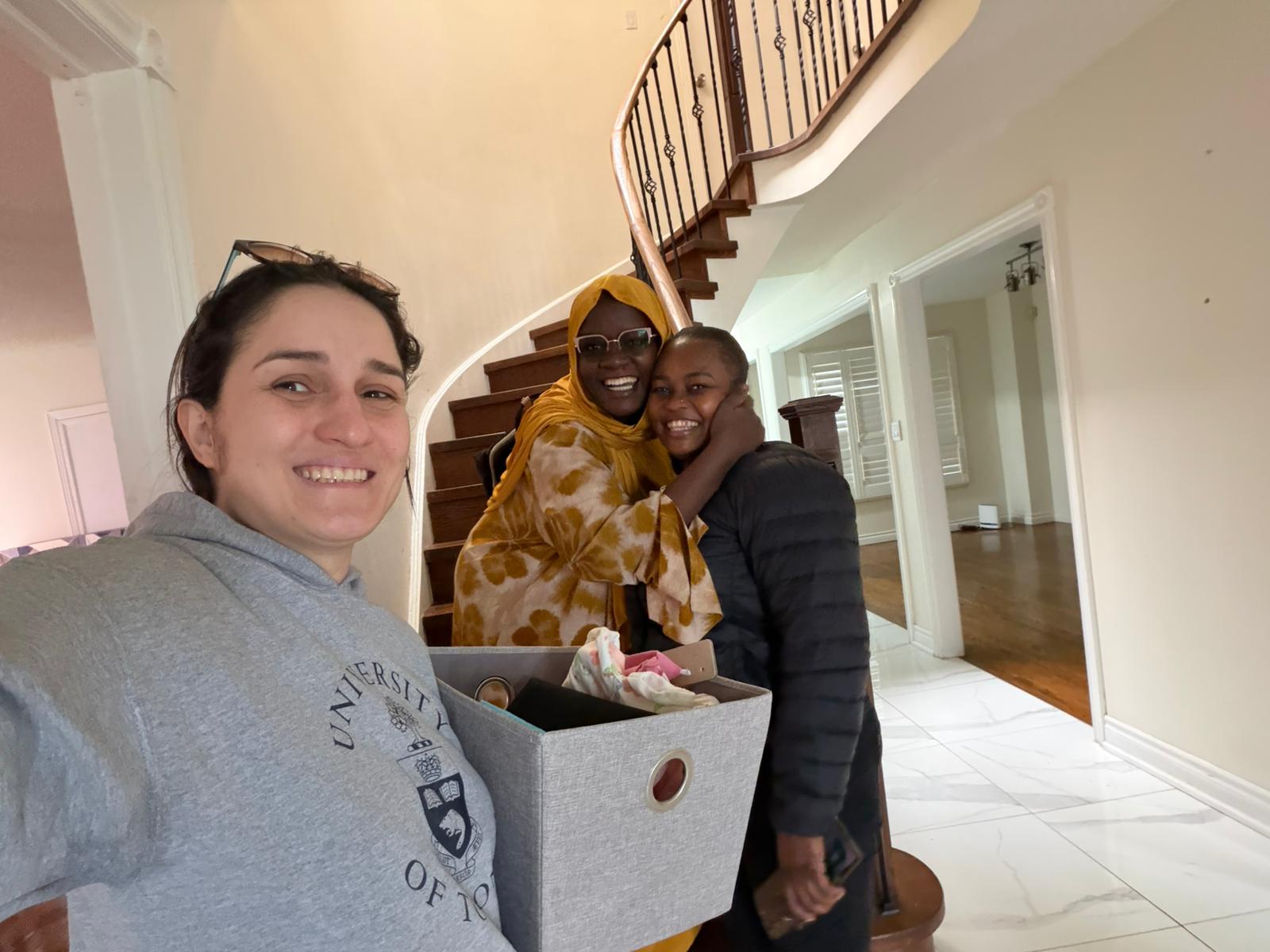
Through Impakt, Hosna was connected with Cultural Ambassadors, refugees who also live in shelters and are employed by Impakt to provide peer-to-peer support. They reached out with care, patience, and understanding. Before anything else, they helped her feel seen. She received mental health support, community connection, and the comfort of knowing she was no longer alone.
As trust grew, Impakt also supported Hosna with her employment goals. Just before giving birth, she was able to take steps toward her PSW pathway and prepare for work connected to her future stability.
Today, Hosna is the mother of a one-month-old baby. Even in this tender and difficult time, she is determined to move out of the shelter and build a stable life for herself and her child.
Her story reminds us that refugees do not only need services. They need people who notice when they disappear, knock gently on the door, and walk beside them until hope becomes possible again.