

DESCRIPTION
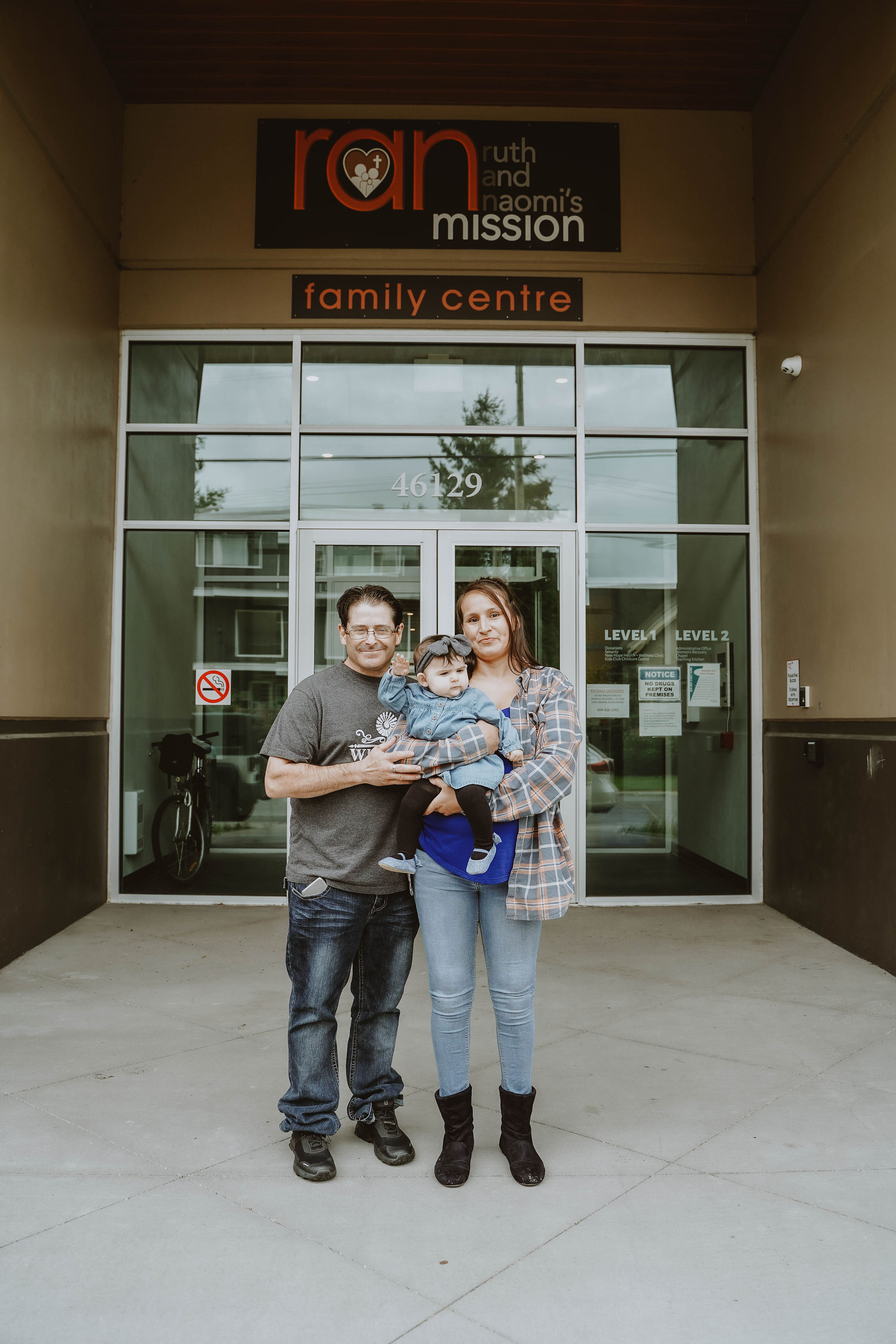
Ruth and Naomi’s Mission is advancing a targeted housing stability initiative in Chilliwack, BC that prevents housing loss through rapid, practical intervention at critical moments. This project supports individuals and families facing immediate risk of eviction, where small, time-sensitive supports can determine whether housing is maintained or lost. The program brings together short-term case management, flexible financial assistance, and basic needs stabilization into one coordinated response. A Prevention and Diversion Case Manager works directly with households to assess risk, coordinate landlord communication, and navigate housing and income systems. Time-limited financial supports address urgent barriers such as rent arrears, deposits, utilities, and move-in costs. At the same time, short-term stabilization supports including food, transportation, identification, and essential items reduce immediate financial pressure so households can prioritize housing. Supports are delivered over two to eight weeks,, helping stabilize housing and prevent shelter entry.
DETAILS
Affordability Framework
Target Completion Date
April 30, 2028
Populations Served
Homelessness
Total Project Cost
$150,000.00
Total Units
120
Affordable Units
120
Populations Served - Notes
Homelessness
Project Funding
Funding Required
Ruth and Naomi’s Mission is requesting $100,000 over two years ($50,000 per year) to implement and sustain this housing stability initiative in Chilliwack, BC.
Funding is required beginning Fall 2026 to support program launch, onboarding, and continuous delivery over the two-year period. This timeline ensures the program can respond consistently to households at risk of housing loss and provide timely, short-term interventions when they are most needed.
Funds Raised
$50,000 government funding (Reaching Home; confirmed, seniors-focused delivery); In-kind program infrastructure and staffing (Ruth and Naomi’s Mission; confirmed)
Use of funds
Funds will be allocated annually across three coordinated components.
$5,000 per year will support a part-time Prevention and Diversion Case Manager (0.25 FTE) and related program costs, including basic supplies and communications. This role leads intake, housing risk assessment, landlord liaison, and coordination of interventions.
$40,000 per year will fund direct, client-specific supports, broken down as follows:
-$5,000 for short-term rental support and landlord mediation to stabilize at-risk tenancies or support re-housing, including minor arrears and damage deposits. Supports are time-limited and outcome-focused.
-$28,000 for a flexible Emergency Assistance Fund used for short-term financial supports that directly impact housing access or retention. This includes identification replacement, transportation, minor household items, or car repairs when tied to housing outcomes. All expenditures are vetted through structured intake and paid directly to vendors or landlords.
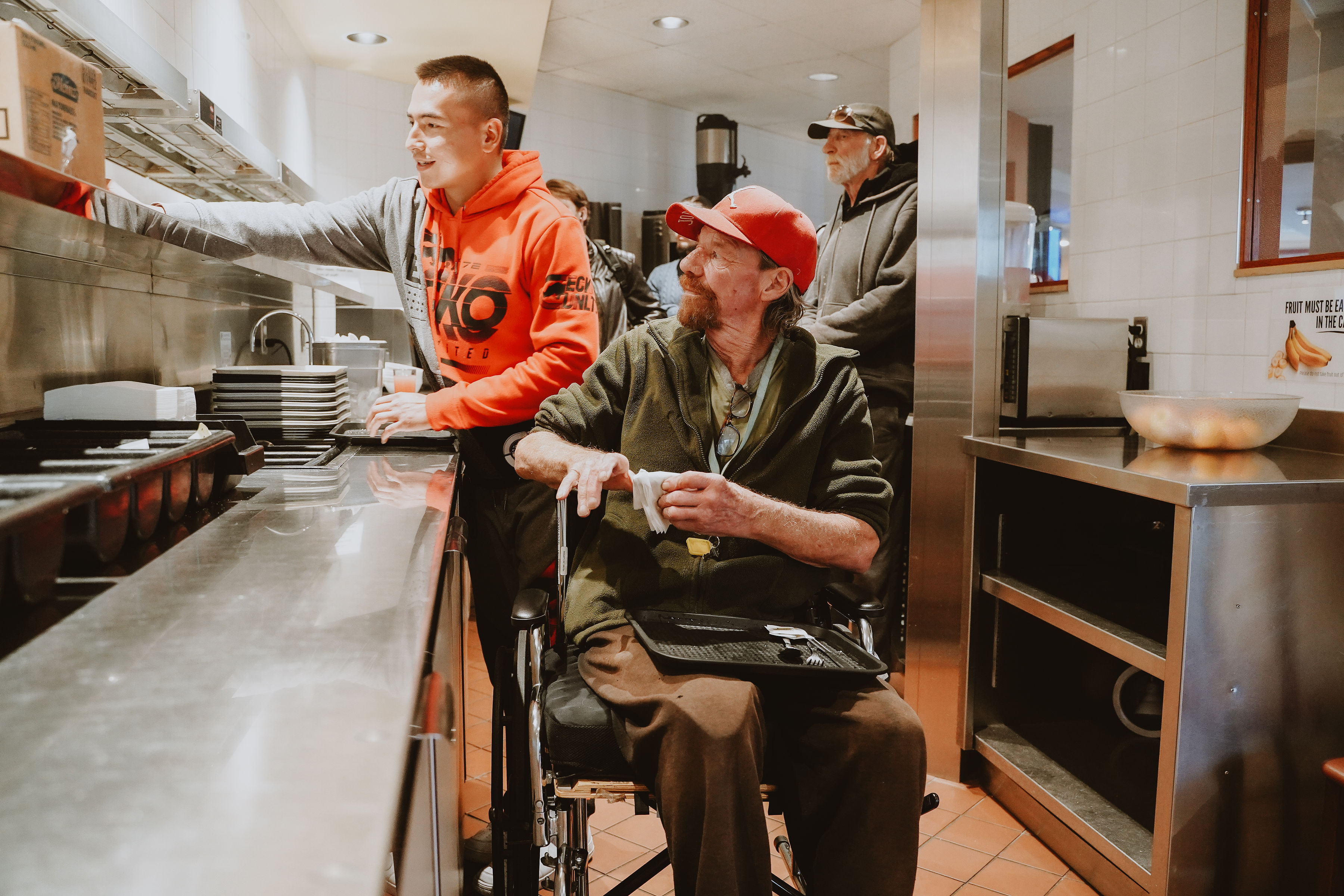
-$7,000 for short-term food stabilization through the Market Food Pantry, providing temporary food hampers for households in housing crisis to offset costs and allow income to be redirected toward rent or deposits. Supports are coordinated with case management.
$5,000 per year will support administration, including financial tracking, reporting, and required training to ensure compliance and effective delivery.
This funding will support approximately 60 to 75 households per year through targeted, time-limited interventions that stabilize tenancies and prevent eviction.
Human Impact Story
Al came to Ruth and Naomi’s Mission at 68 years old, after facing another winter sleeping alone in an attached garage. Years of instability had left him isolated and without the support needed to move forward. What he needed was not just a place to stay, but consistent, practical support to stabilize his life. Today, Al has a safe place to live, help navigating paperwork and medical care, and a community around him. He is no longer surviving on his own. He is rebuilding. He now encourages others in the program, saying, “Don’t wait till you’re my age to get it together.”
Christina’s journey shows what becomes possible when that stability is sustained. After a workplace injury led to prescription use, then addiction, and eventually homelessness, she came to RAN looking for a new beginning. Through daily commitment to recovery and consistent support from staff, she began to rebuild her life step by step. Today, she is reunited with family she thought she had lost and is caring for her grandchildren. Her life has been restored in a way that once felt out of reach.
These stories reflect the reality we see every day. Housing instability is often the tipping point, but with timely intervention and consistent support, it can also be the turning point.
MAP