


DESCRIPTION
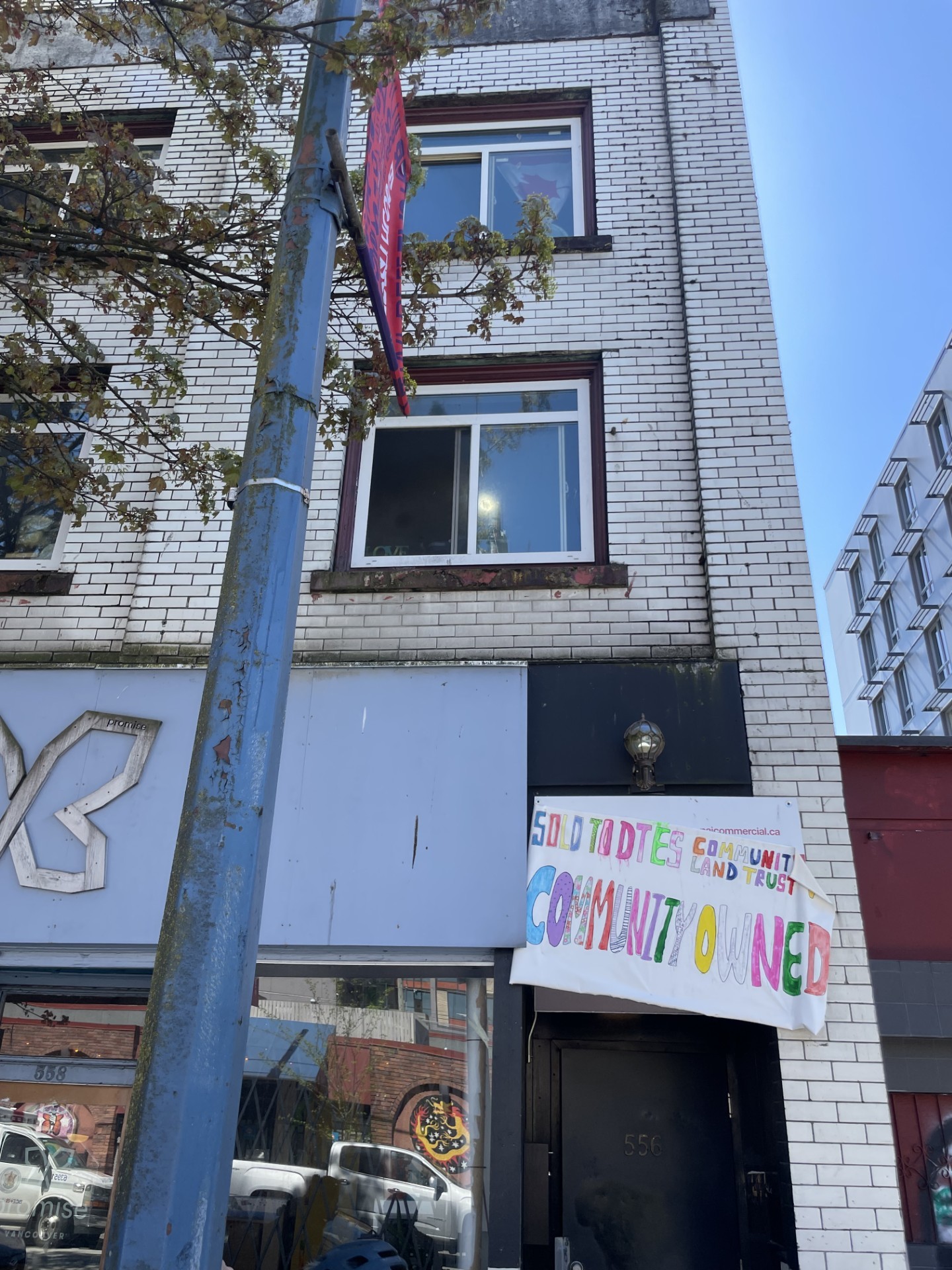
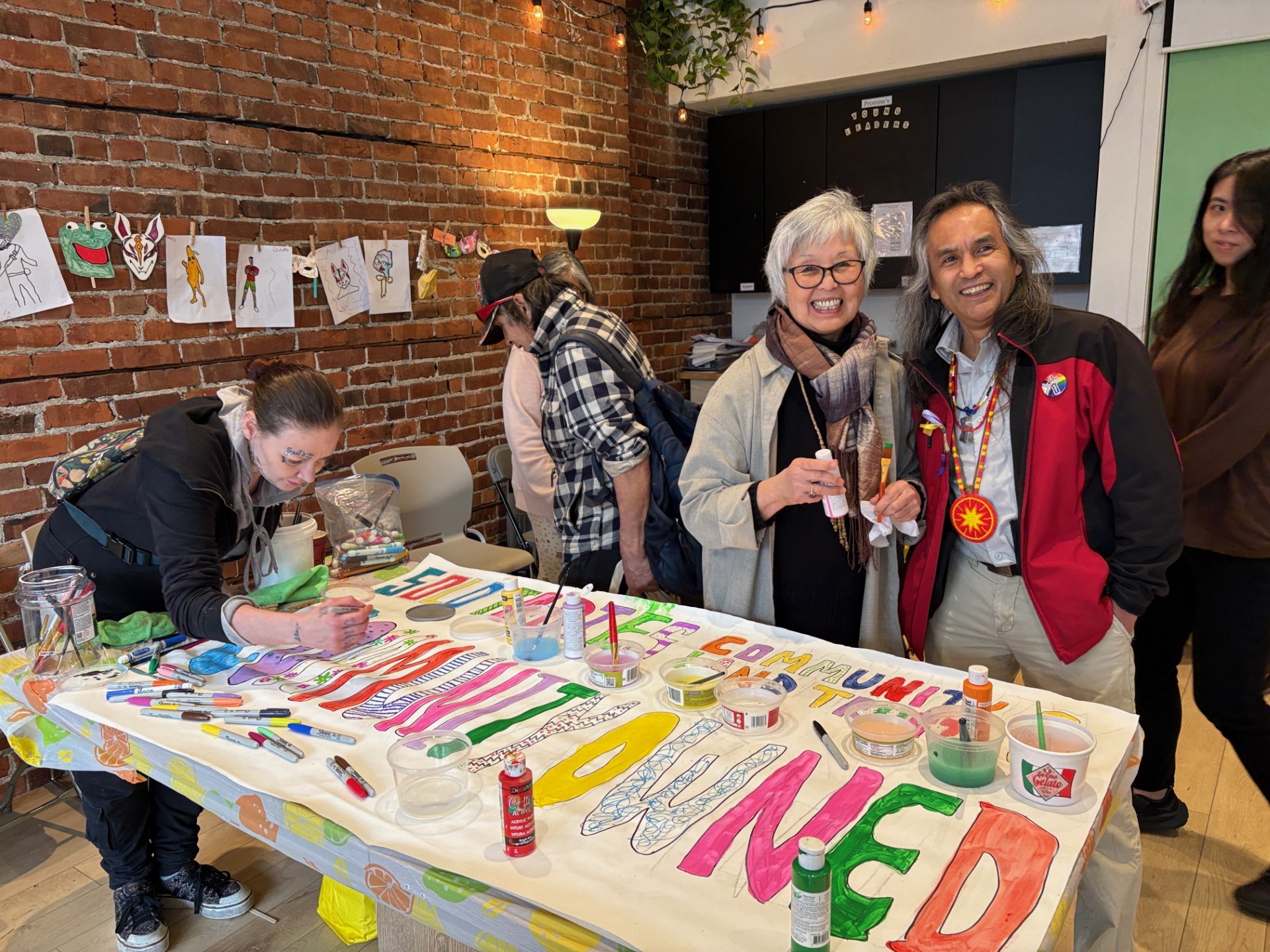
The Downtown Eastside Community Land Trust seeks funding to launch the Coming Home to Powell Rooms Program at 556 Powell Street – a 23-unit SRO under permanent community ownership in Vancouver's DTES. Residents live on Income Assistance and have experienced chronic homelessness, complex trauma, and systemic exclusion. An estimated one-third are Indigenous. As a community land trust building removed from the speculative market, residents can stay permanently. The program includes: (1) Building Kokum – a paid peer role helping residents transition from survival mode to belonging; (2) Tenant-Controlled Emergency Stability Fund for rent shortfalls and arrears; (3) Elder-Guided Healing Circles supporting cultural connection; (4) Tenant Governance Education on rights and stewardship; (5) Program Documentation for the Canadian Network of Community Land Trusts; and (6) Administration. DTES CLT has raised $3.2 million for acquisition and built Indigenous-led governance, partnering with DTES SRO Collaborative, Aboriginal Front Door Society, and Vancouver Aboriginal Community Policing Centre.
DETAILS
Affordability Framework
100% of units will be deeply affordable and accessible to those living on BC Income assistance. The current housing rate for Income Assistance is $500/month.
Target Completion Date
Populations Served
Homelessness
Total Project Cost
$300,000
Total Units
23
Affordable Units
23
Project Funding
Funding Required
$300,000 over three years ($100,000/yr): grant funding to support the Coming Home to Powell Rooms Program, a peer-led, relationally-grounded initiative supporting residents moving from chronic homelessness to genuine belonging in permanently community-owned housing. Funds support a Building Kokum peer role, Elder-guided healing circles, a tenant-controlled emergency stability fund, tenant governance education, program documentation, and administration.
Funds Raised
Raised $3.2 million for the purchase and renovation of the building through government and philanthropic sources, including CMHC, Reaching Home, the City of Vancouver, and private foundations.
Use of funds
Funds will flow across six streams:
The Building Kokum (~40% / ~$40,000/yr) – A part-time peer role hired from within the DTES community, governed by the Tenant Committee. The Kokum does the slow, relational work of supporting residents who have survived by staying invisible, staying mobile, and staying guarded to begin to trust that this building is different. Someone who knows that when a neighbour stops paying rent, the reason is rarely simple, and that the response needs to be a conversation, not an eviction notice.
Tenant-Controlled Emergency Stability Fund (~13% / ~$13,000/yr) – Direct support for rent shortfalls, arrears, and move-in costs, administered by staff alongside a rotating tenant panel. Support is grounded in the realities of tenants' lives and offered in a way that preserves dignity. Safeguards include written eligibility criteria, dual sign-off for each disbursement, and regular board reporting.
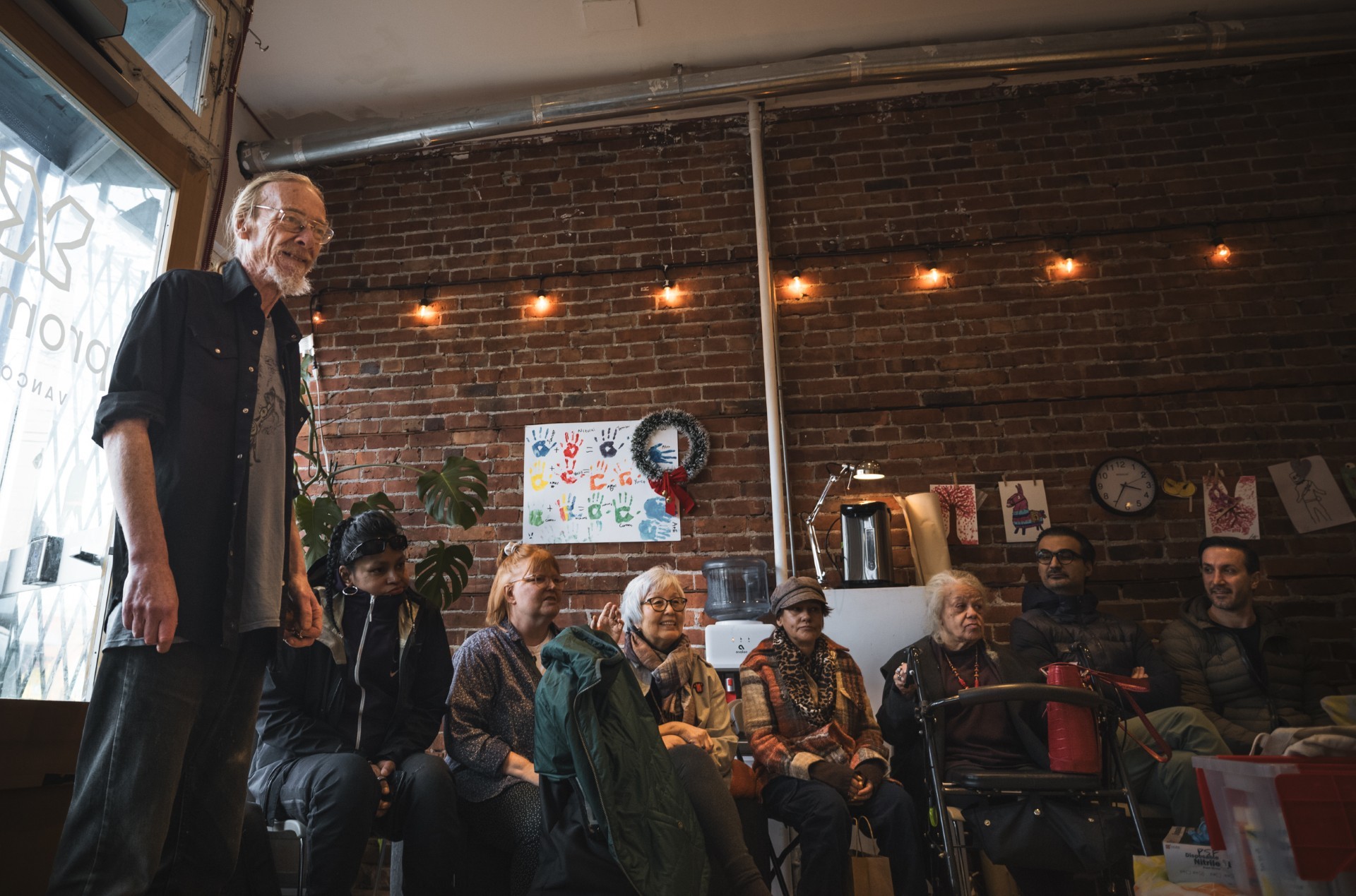
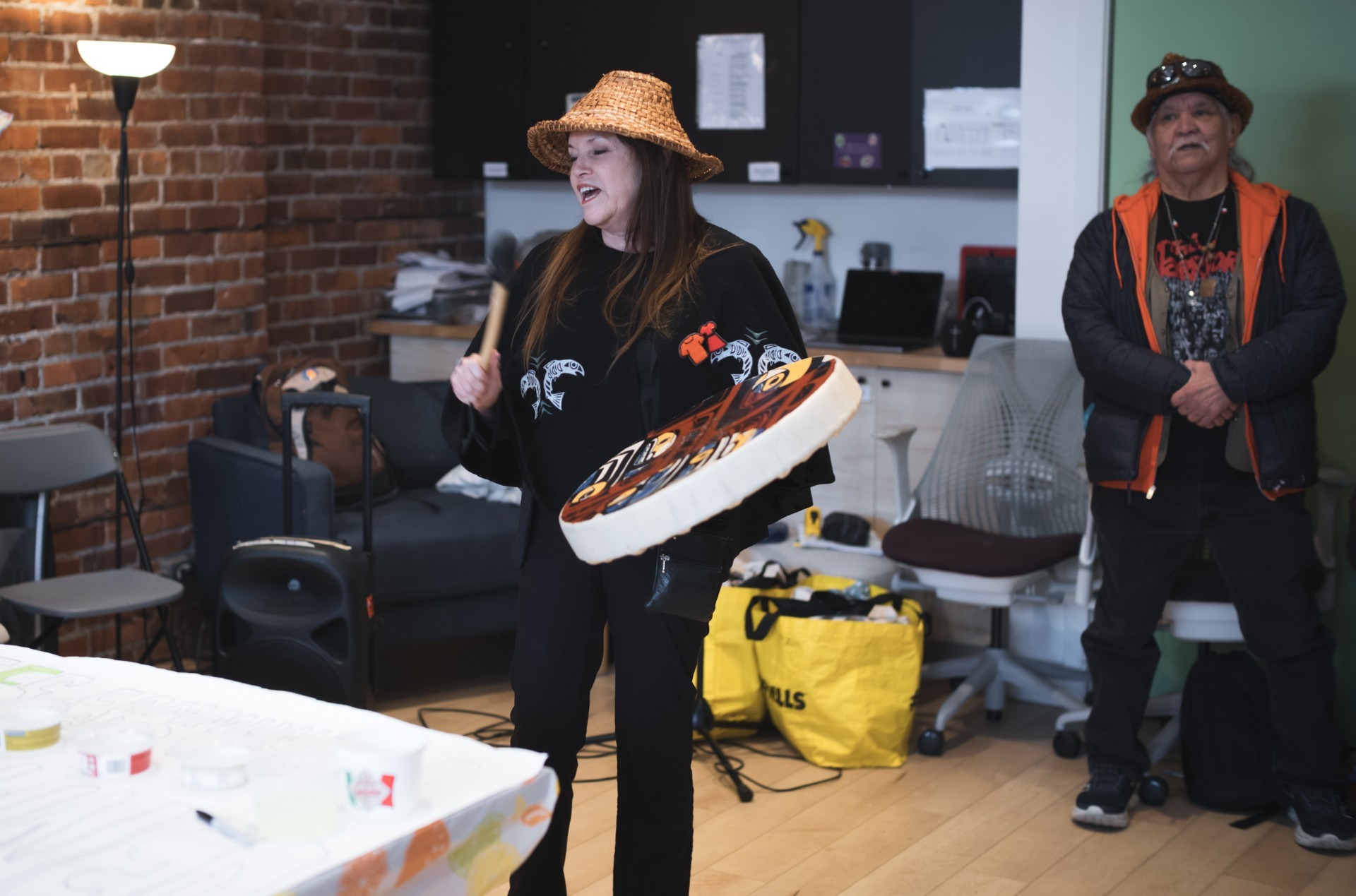
Elder-Guided Healing Circles (~15% / ~$15,000/yr) – Monthly Elder-guided circles open to all tenants, with honoraria and ceremony costs funded at a level that honours the time and knowledge Elders bring. The Kokum holds the everyday relational fabric; Elders hold the cultural and ceremonial ground. Connection to culture, community, and belonging is a protective factor against housing loss, and in a permanently owned building, it is also the foundation for residents beginning to experience their housing as a true home.
Tenant Governance and Stewardship Education (~12% / ~$12,000/yr) – Supporting all residents to understand their rights as renters and their role within the CLT: how decisions are made, how to use the Tenant Committee and Advisory Circle, and how to practice stewardship in the building. For residents who have never had stable housing, the idea that they could meaningfully shape the place they live in is not obvious.
Program Documentation (~5% / ~$5,000/yr) – The Making Home model documented and shared through the Canadian Network of Community Land Trusts and other housing networks, contributing to a growing body of practice around community land stewardship for people living in deep poverty and exclusion.
Administration and Operations (~15% / ~$15,000/yr) – Program oversight, financial administration, tenant panel support, funder and board reporting, and evaluation.
Expected Impact (3 years): Stabilized tenancies for all 23 households; reduced eviction risk; deepened tenant participation in CLT governance and building operations; and a documented contribution to sector-wide practice around community land stewardship for people living in deep poverty and exclusion.
MAP